Genesis
Discipline
Product Design
Focus
Luminaire Fabrication
Classification
Educational
Date
Fall 2024
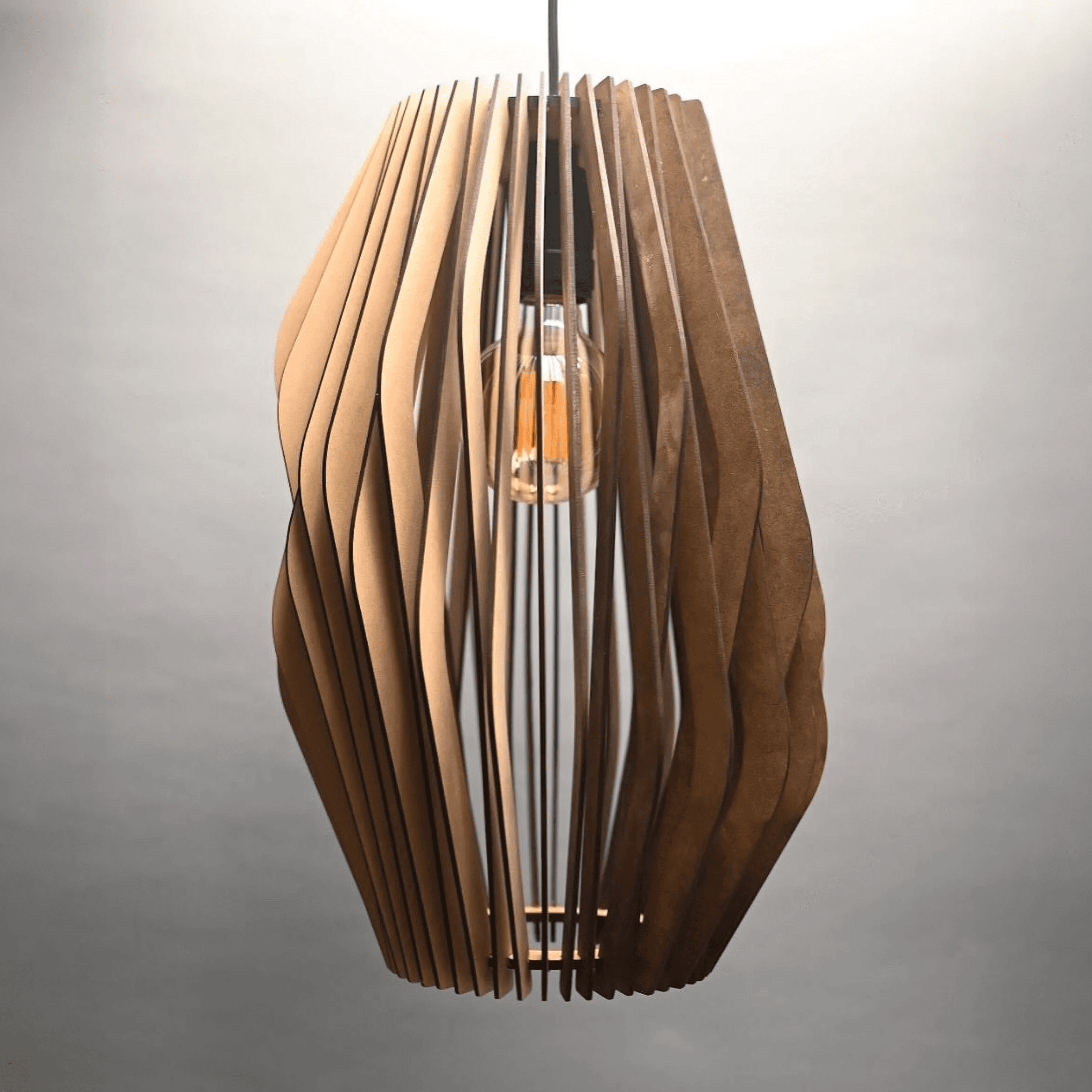
Shaped by observations at the Denver Botanic Gardens, this luminaire showcases the multi-dimensional relationships between site-informed decision-making and fundamental technical skills. The result is a dynamic form that synthesizes human-scale thinking into a practical lighting solution.
Context
ENVD 1110 is a required foundational studio which introduces product design students to human-scale thinking, guiding them through more advanced methodologies and fabrication techniques. The Fall 2024 session was centered around the development of a luminaire inspired by the Denver Botanic Gardens. This project challenged students to translate site-informed references into functional lighting solutions.
Context
ENVD 1110 is a required foundational studio which introduces product design students to human-scale thinking, guiding them through more advanced methodologies and fabrication techniques. The Fall 2024 session was centered around the development of a luminaire inspired by the Denver Botanic Gardens. This project challenged students to translate site-informed references into functional lighting solutions.
Ideation
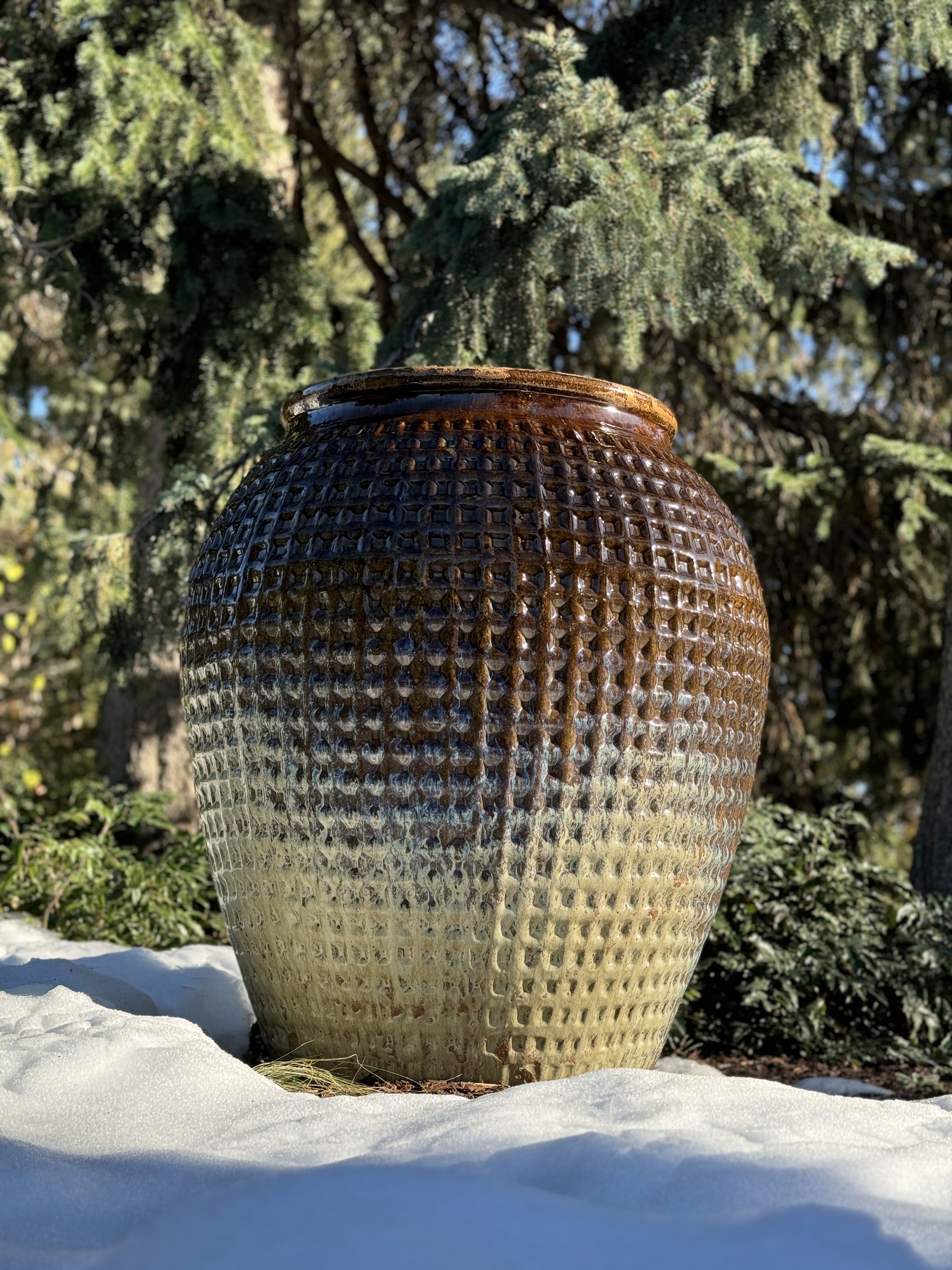
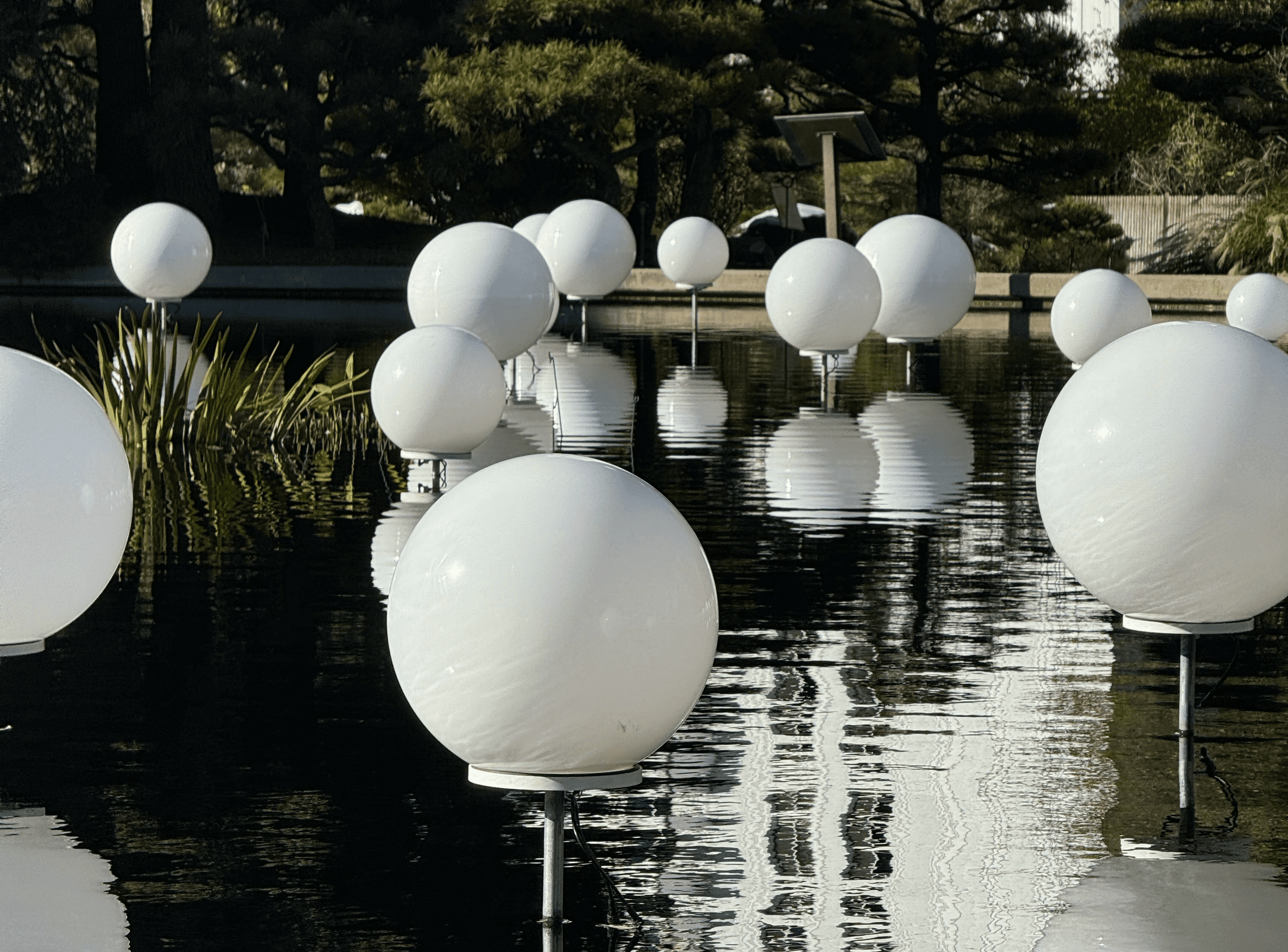
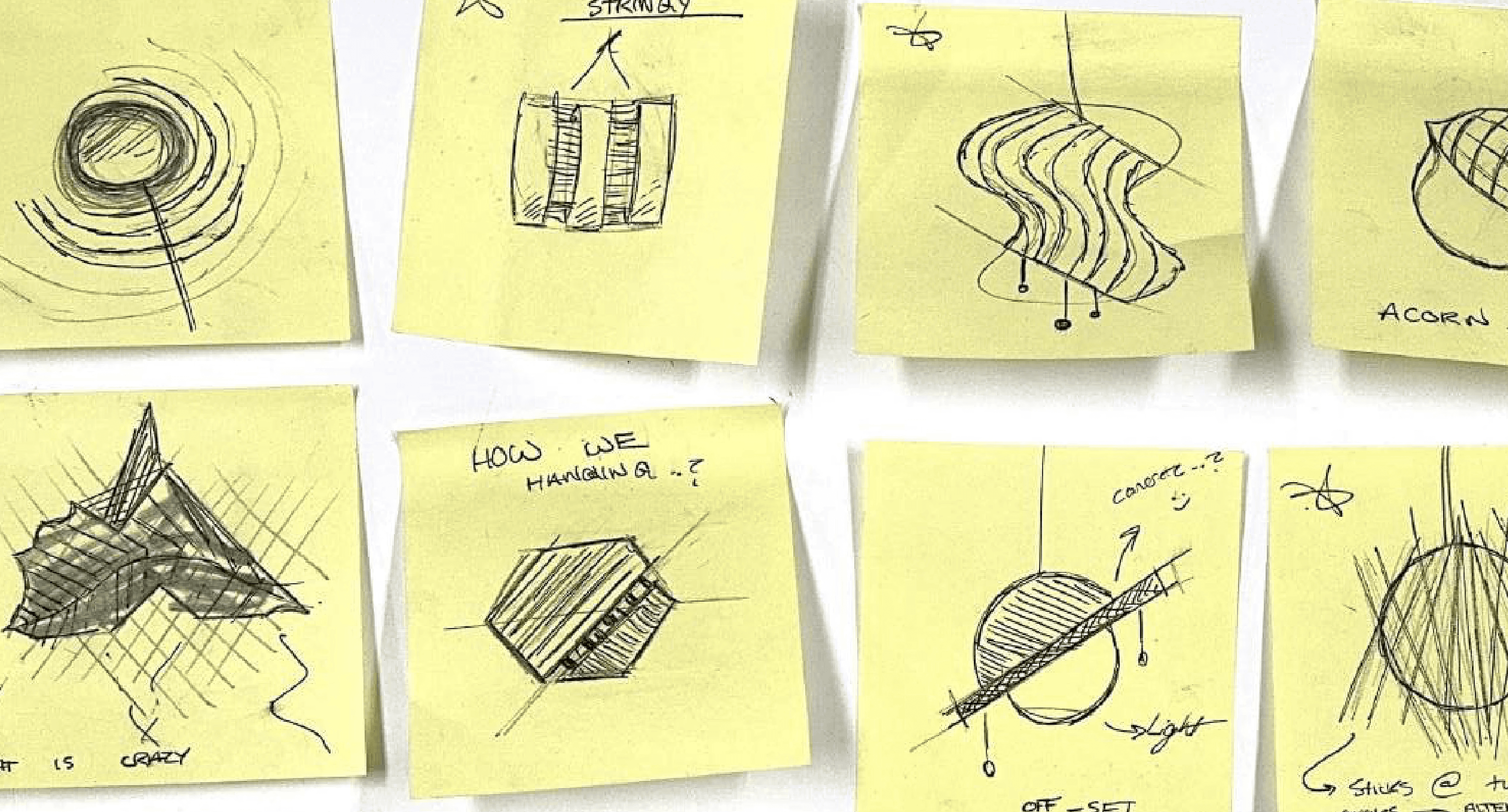
Originating from a site visit to the Denver Botanic Gardens, the goal of this luminaire was to create a lighting design that showcased a relationship between the organic forms displayed in the garden and practical design. Our visit took place during a colder time of year, which emphasized the abundance of sculptural elements scattered throughout in the garden.
Ideation
Originating from a site visit to the Denver Botanic Gardens, the goal of this luminaire was to create a lighting design that showcased a relationship between the organic forms displayed in the garden and practical design. Our visit took place during a colder time of year, which emphasized the abundance of sculptural elements scattered throughout in the garden.
Ideation
Product
Originating from a site visit to the Denver Botanic Gardens, the goal of this luminaire was to create a lighting design that showcased a relationship between the organic forms displayed in the garden and practical design. Our visit took place during a colder time of year, which emphasized the abundance of sculptural elements scattered throughout in the garden.
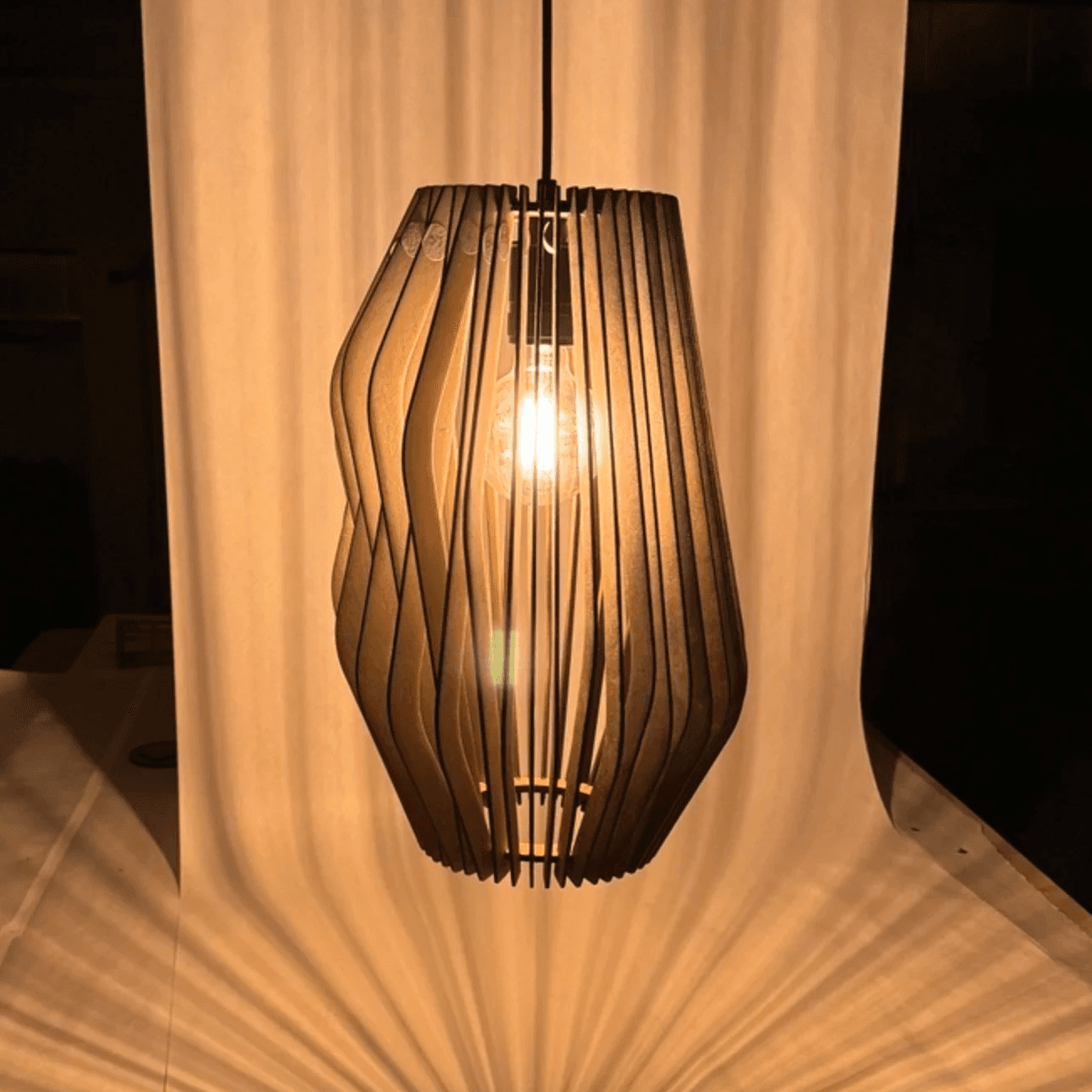
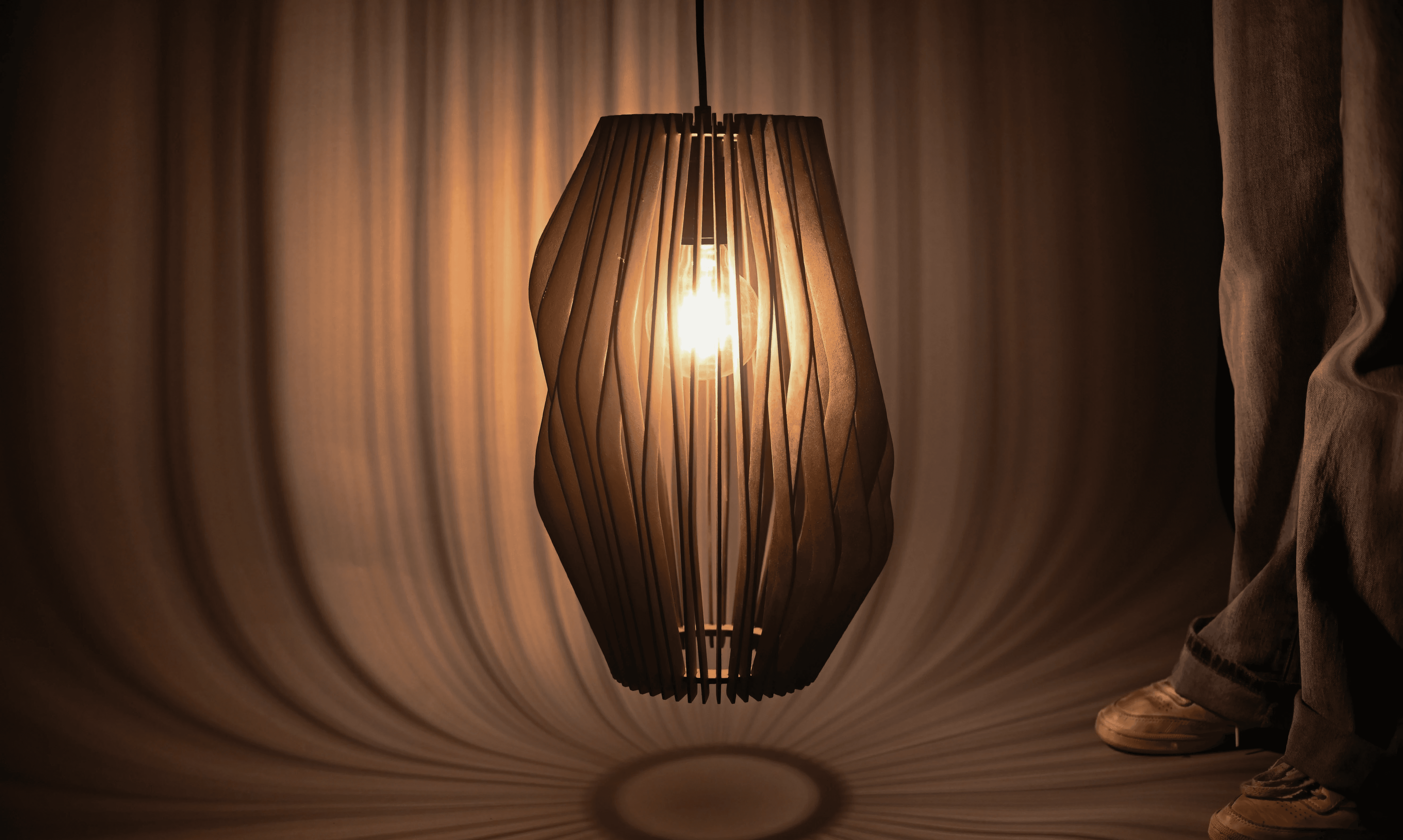
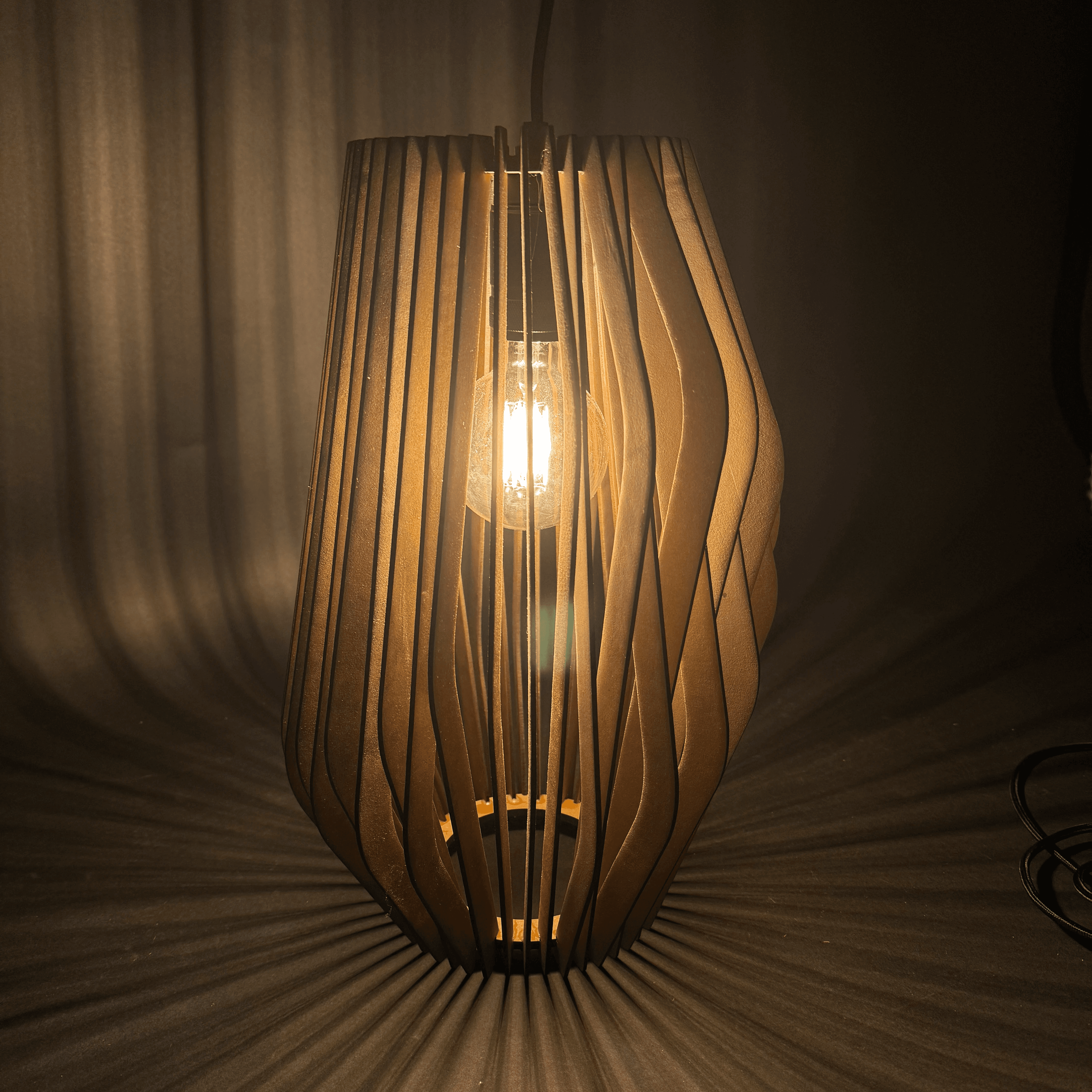
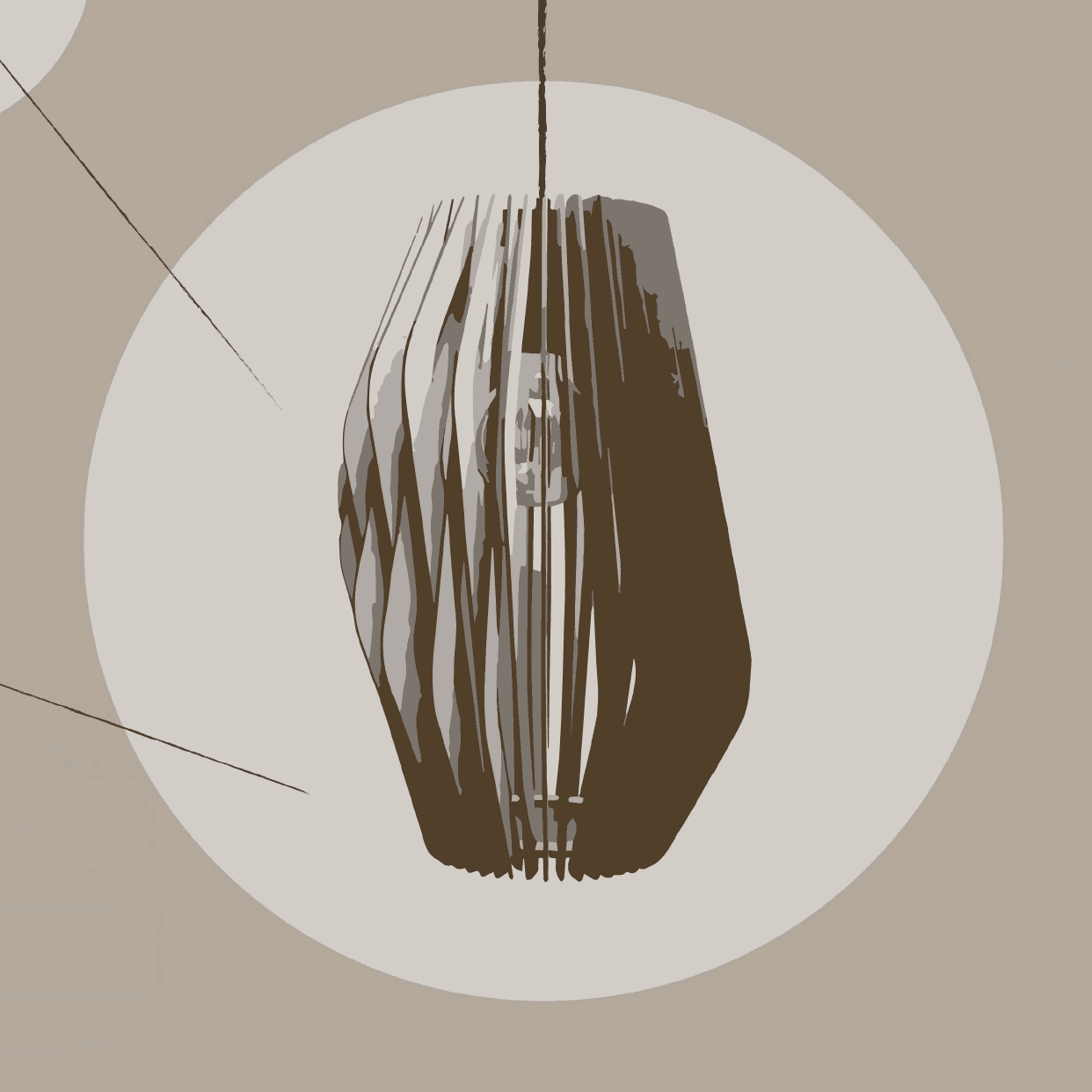
The final product delivered a sculptural luminaire that translated the organic forms of the Denver Botanic Gardens into a functional lighting solution. This project highlights the how human-scaled thinking, iterative prototyping, CAD modeling, and hands-on fabrication techniques contribute to the development of visual yet functional design that can showcase multi-dimensional relationships.
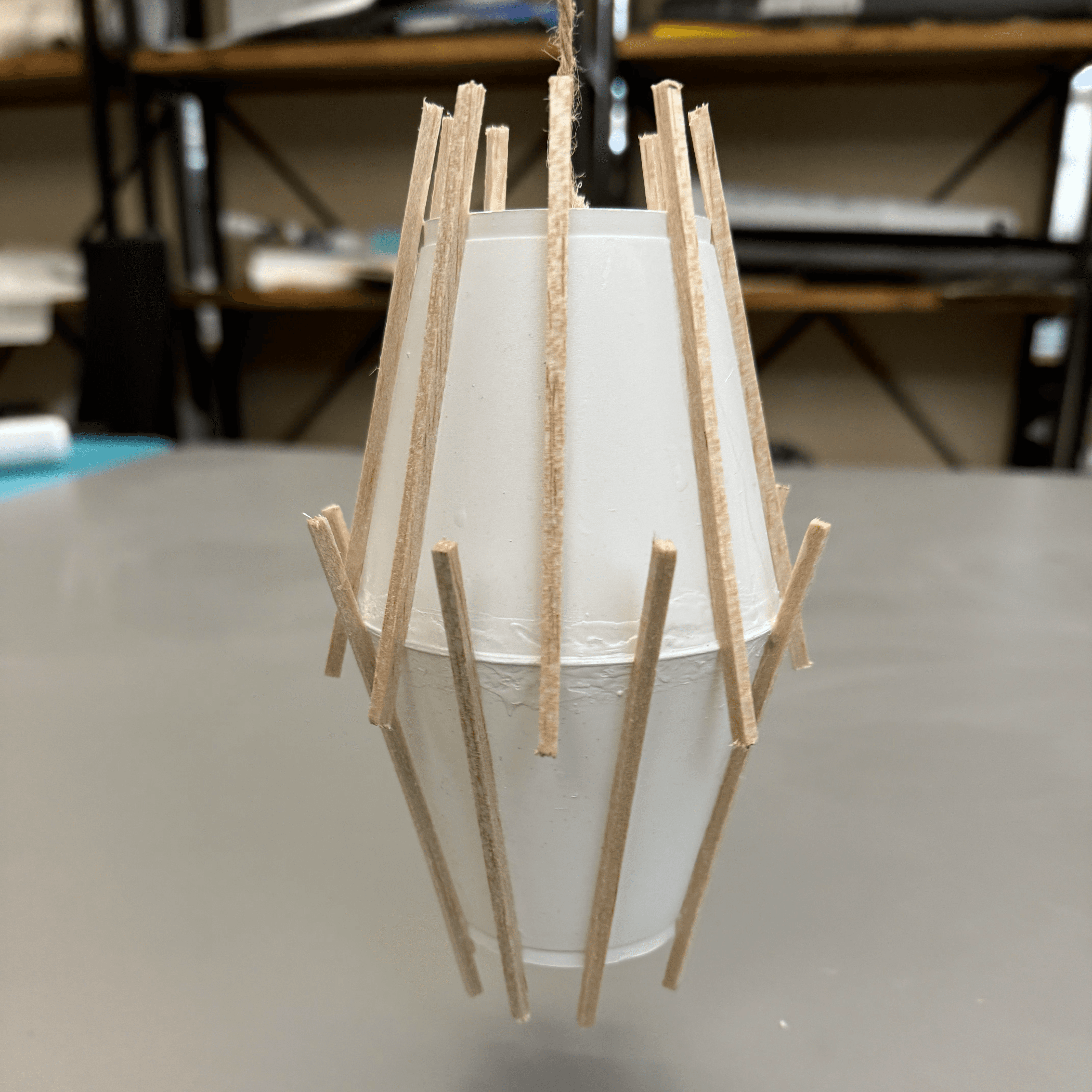
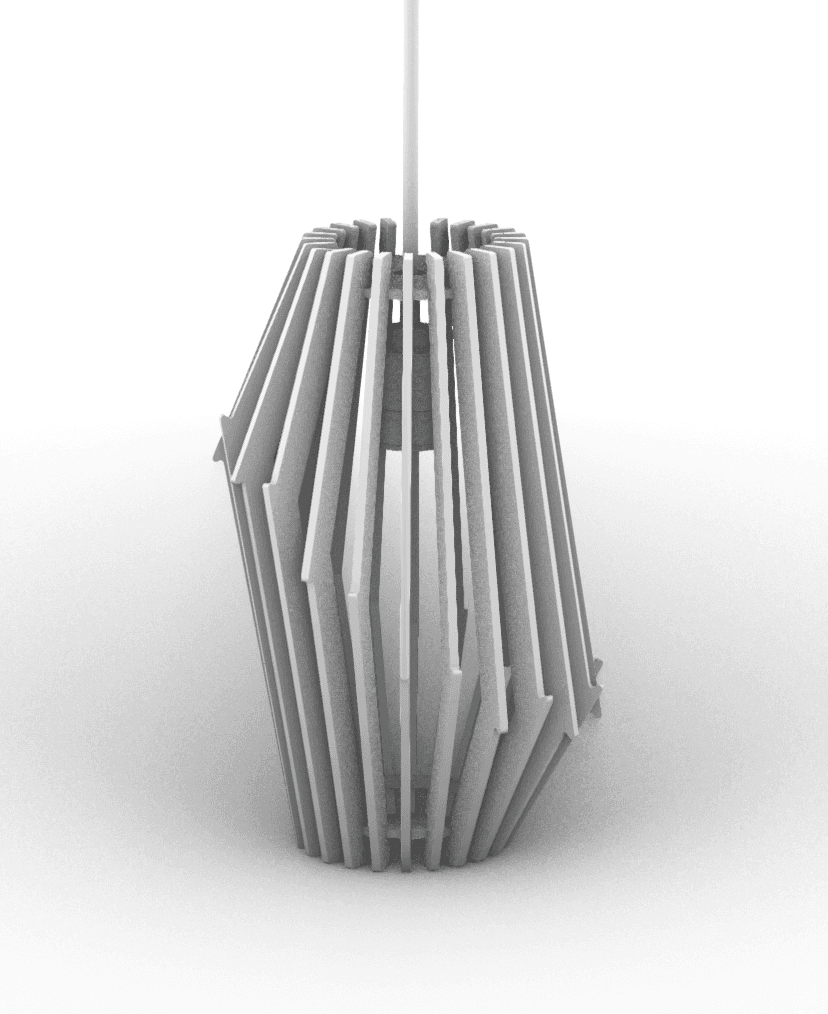
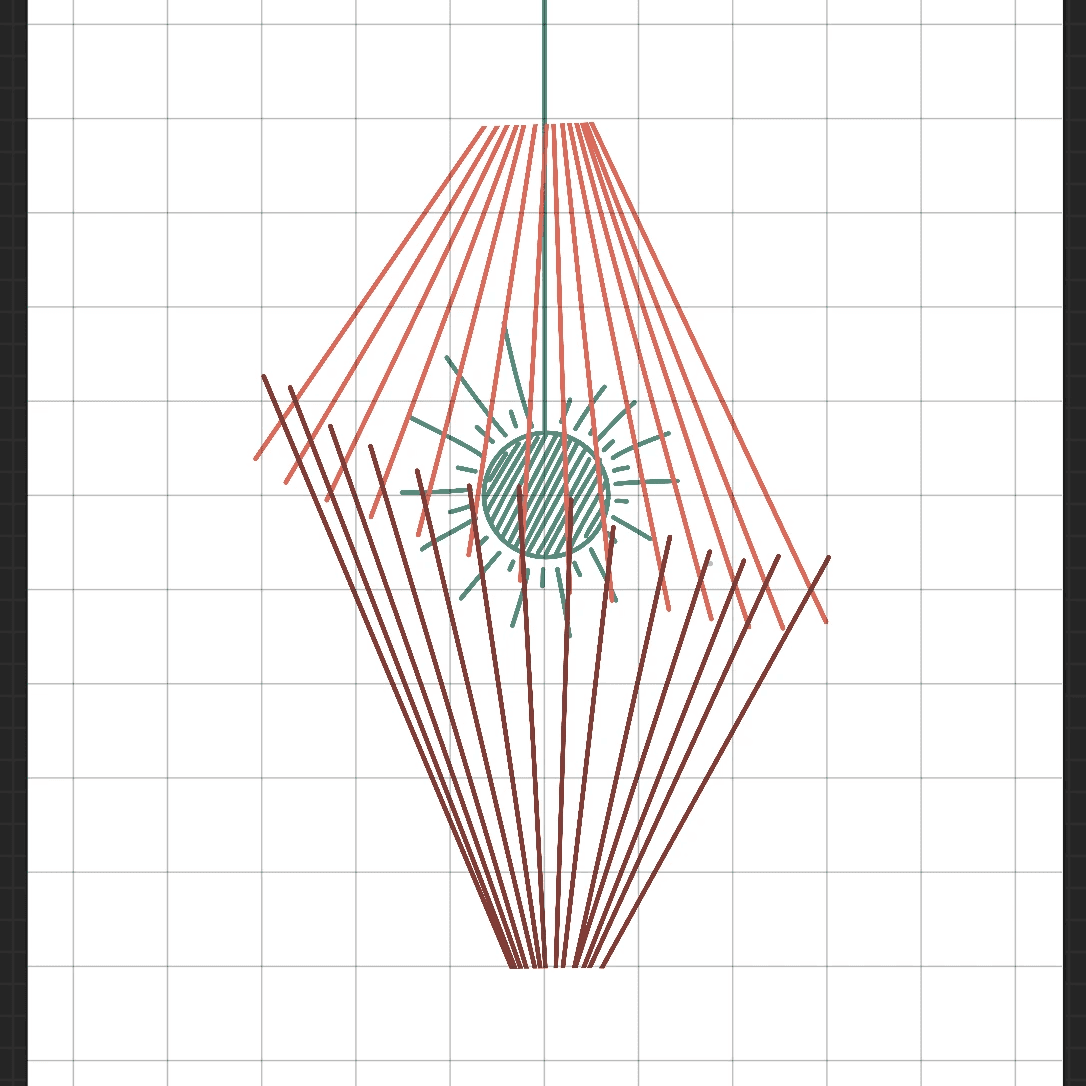
Building on my observations from our visit, I produced over 45 sketches and a series of quick sketch models to explore different organic forms. Part of the briefing for this project was to use CAD software to support our brainstorming process. My exploration through digital and physical methods resulted in a dynamic form that successfully represented the relationship between the site and human-centered design.
Building on my observations from our visit, I produced over 45 sketches and a series of quick sketch models to explore different organic forms. Part of the briefing for this project was to use CAD software to support our brainstorming process. My exploration through digital and physical methods resulted in a dynamic form that successfully represented the relationship between the site and human-centered design.
Fabrication
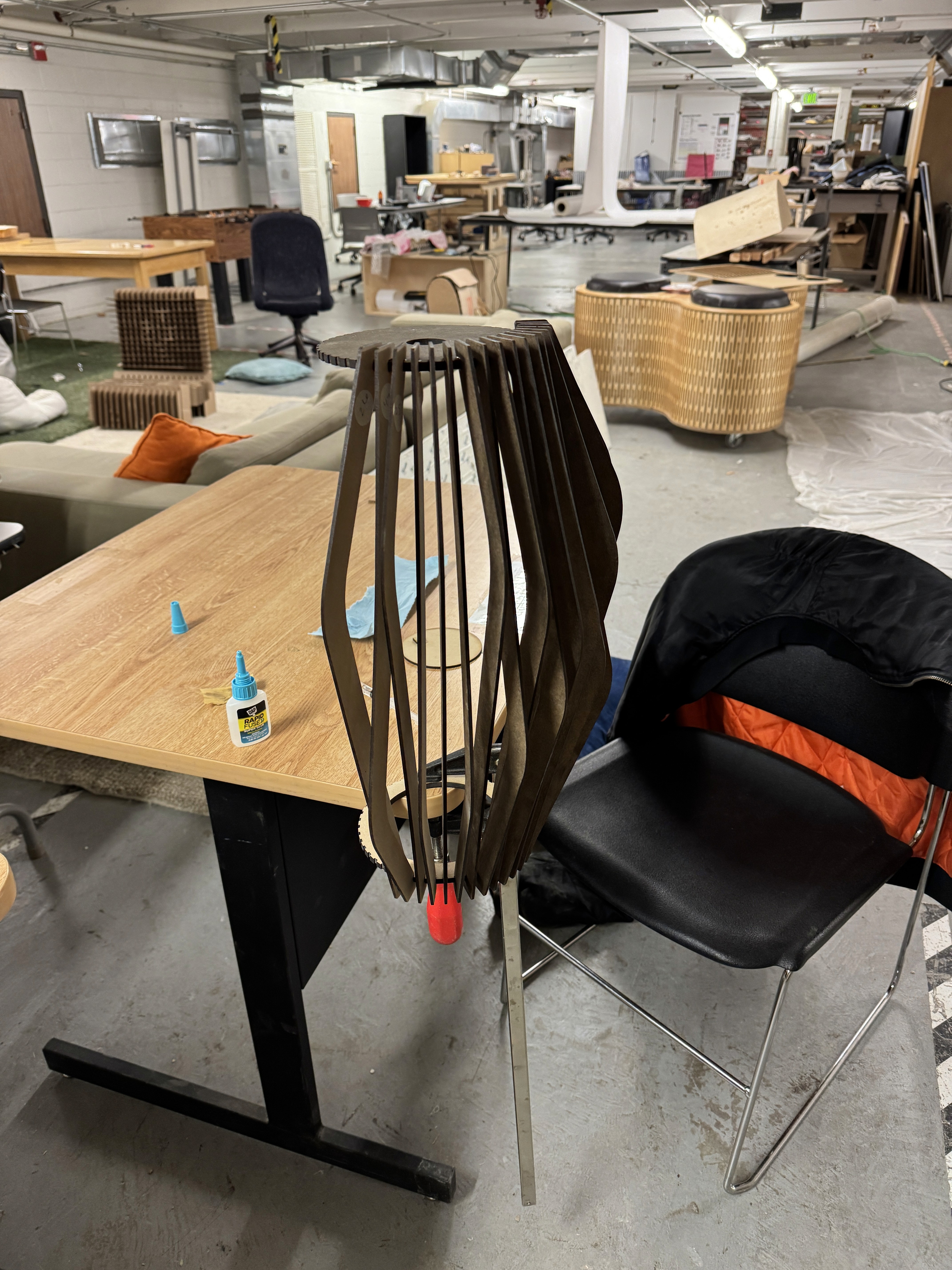
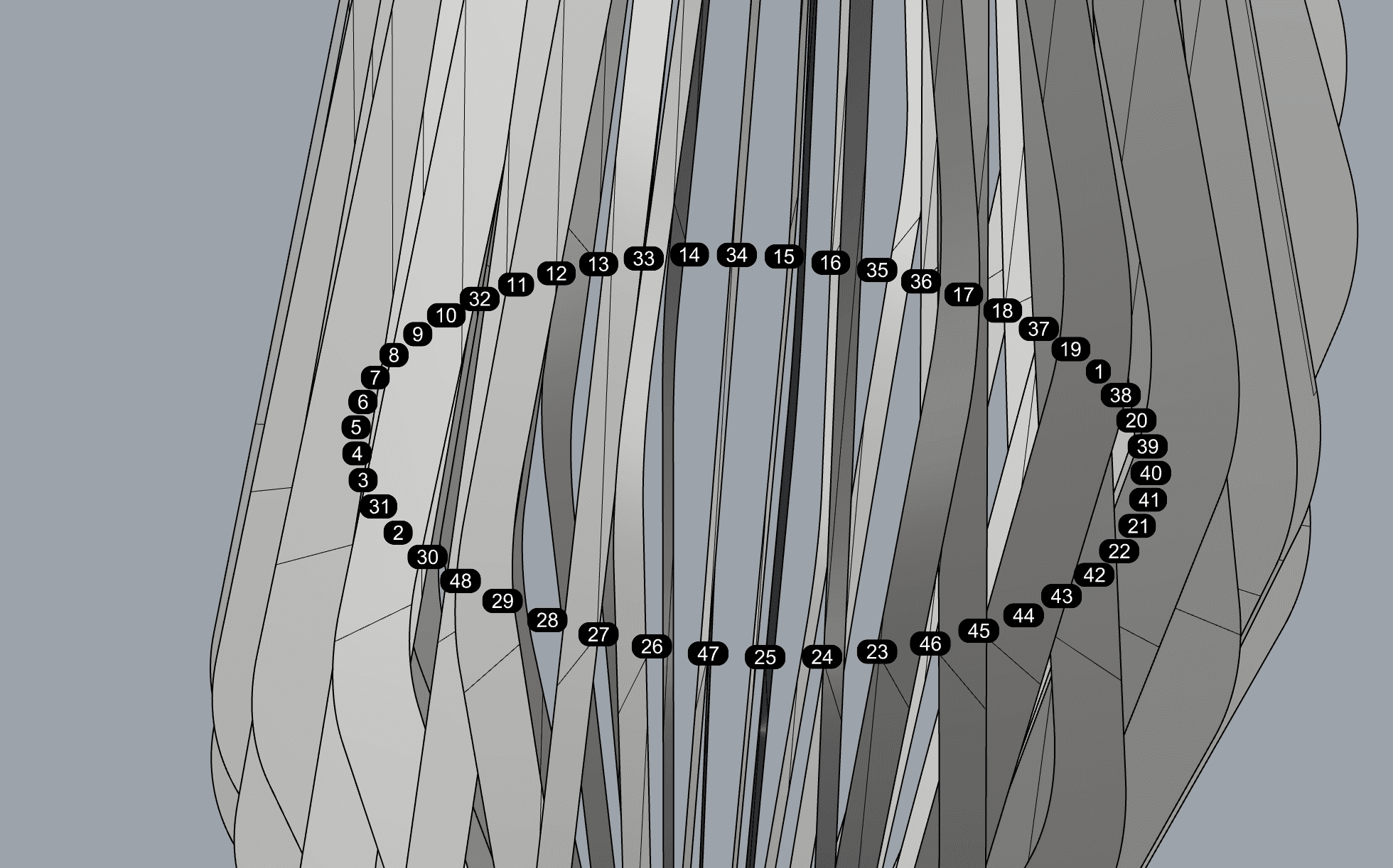
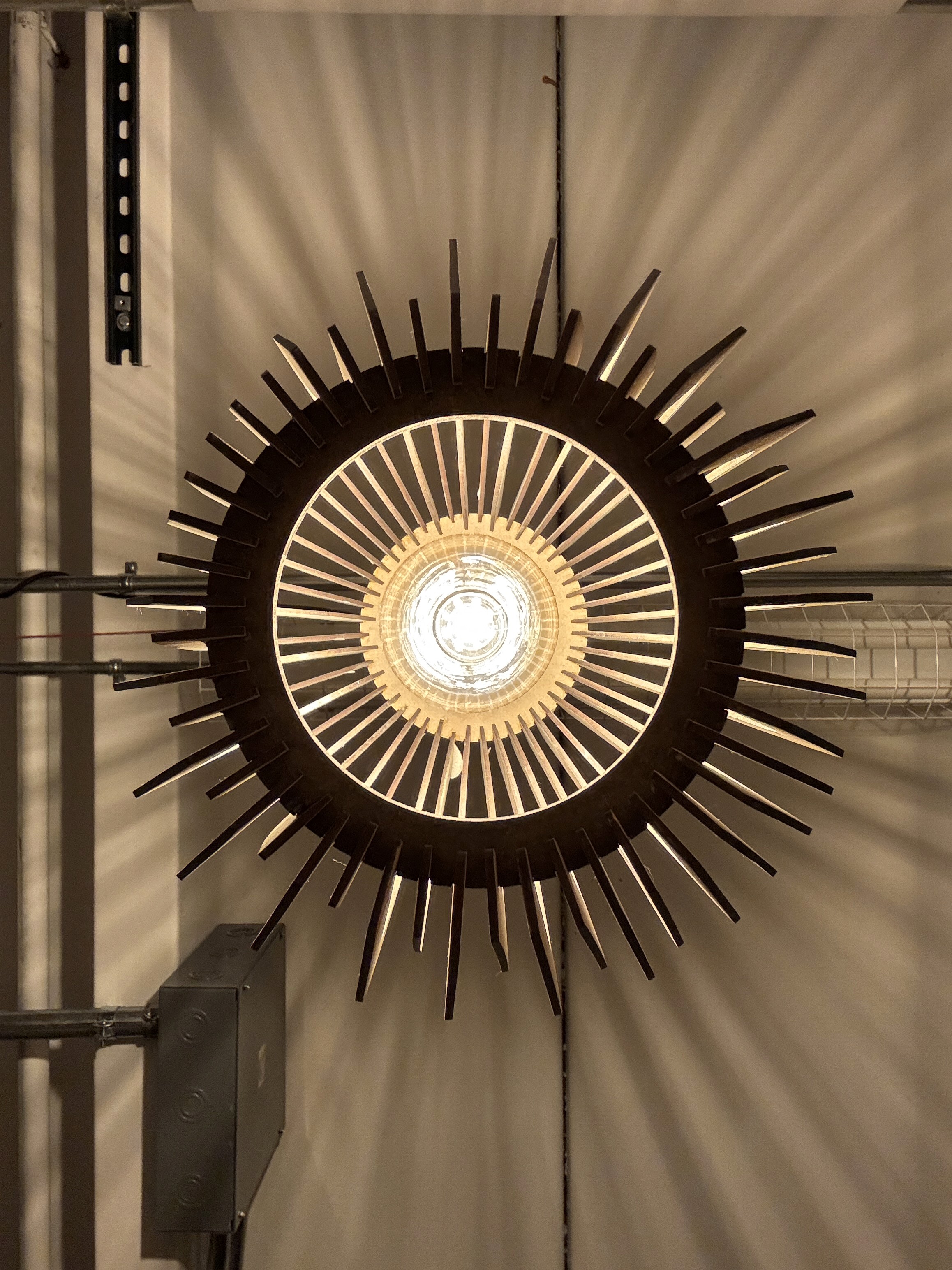
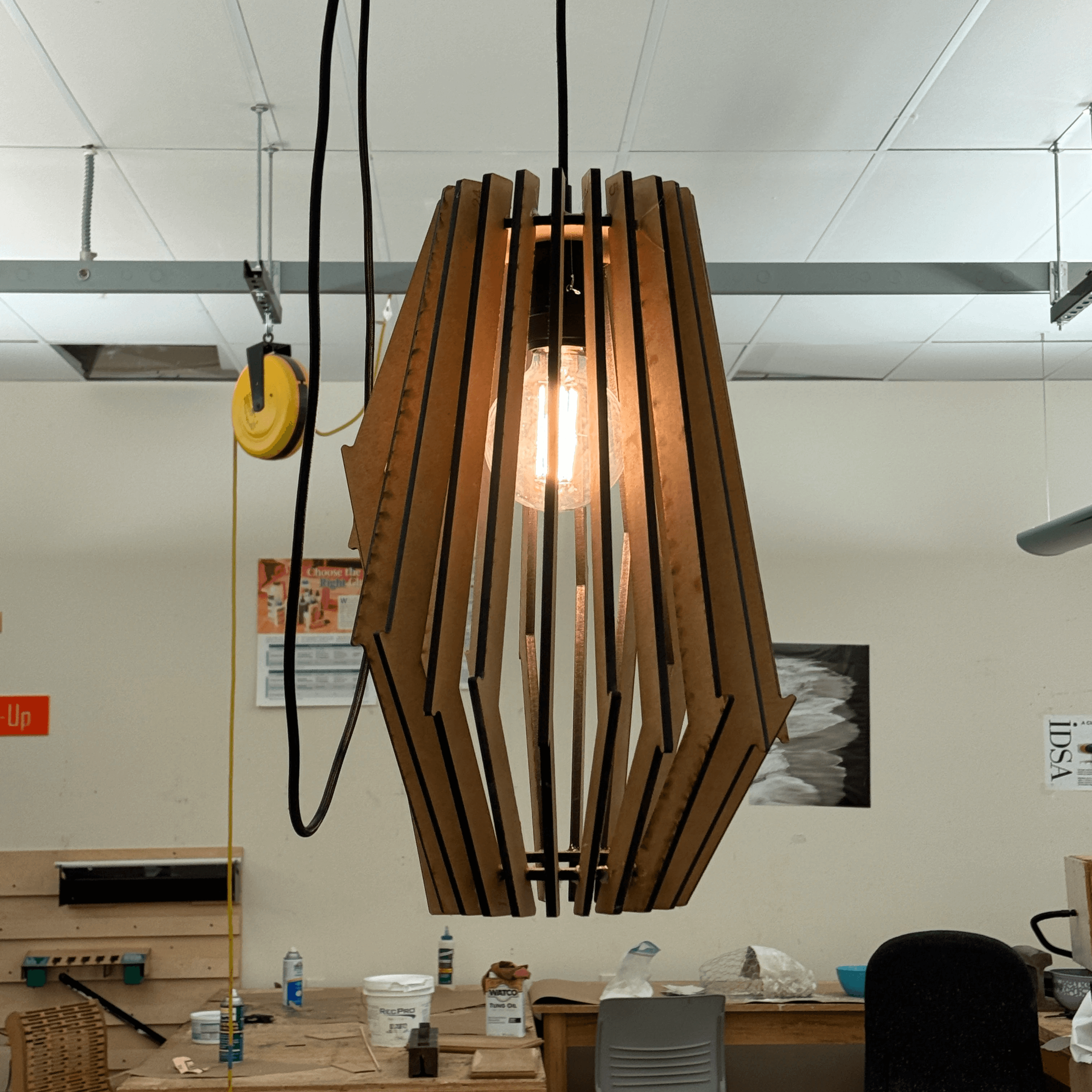
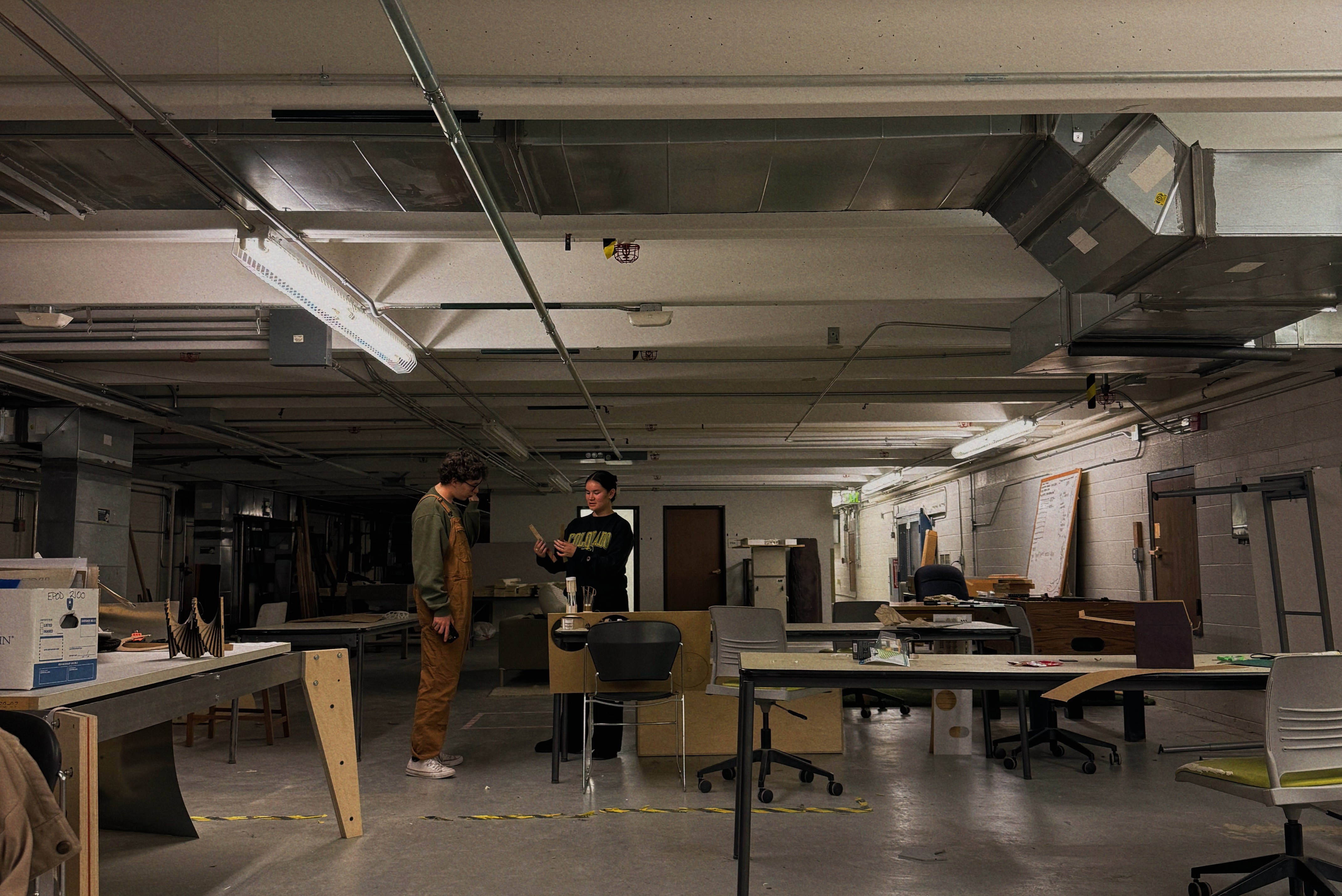
The luminaire is crafted out of 48 different MDF pieces that were modeled in CAD software and then laser cut. Once cut out, the pieces are sanded and then stained two different colors in order to give the luminaire visual depth. Then, the pieces are attached to two circular guides at either end of the luminaire with cyanoacrylate adhesive. After assembly, the luminaire was sealed with a spray-on polyurethane.
Fabrication
The luminaire is crafted out of 48 different MDF pieces that were modeled in CAD software and then laser cut. Once cut out, the pieces are sanded and then stained two different colors in order to give the luminaire visual depth. Then, the pieces are attached to two circular guides at either end of the luminaire with cyanoacrylate adhesive. After assembly, the luminaire was sealed with a spray-on polyurethane.
Product
The final product delivered a sculptural luminaire that translated the organic forms of the Denver Botanic Gardens into a functional lighting solution. This project highlights the how human-scaled thinking, iterative prototyping, CAD modeling, and hands-on fabrication techniques contribute to the development of visual yet functional design that can showcase multi-dimensional relationships.
Product
The final product delivered a sculptural luminaire that translated the organic forms of the Denver Botanic Gardens into a functional lighting solution. This project highlights the how human-scaled thinking, iterative prototyping, CAD modeling, and hands-on fabrication techniques contribute to the development of visual yet functional design that can showcase multi-dimensional relationships.
Gallery

EXPLORE MORE PROJECTS
EXPLORE MORE PROJECTS